(952) 303-4080




Your roof is one of the first things people notice about your home. First impressions matter, and color selection is often where the conversation starts. Does this shade complement the siding? Will it look right in the neighborhood? Those are fair questions. But there’s a better question: does roof color affect your summer cooling costs?
The answer is more nuanced than you might think. Roof color has a real, if modest, influence on your summer cooling costs, your winter heating bills, and the long-term performance of the system underneath.
How Roof Color Affects Summer Heat
Dark roofing materials absorb more solar energy. According to the U.S. Department of Energy, on a hot summer afternoon, a conventional roof can reach surface temperatures of 150°F or more. That heat doesn’t stay on the surface. It radiates down through the decking, into the attic, and eventually into your living space. Your air conditioner picks up the slack, and your energy bill reflects it.
The Department of Energy identifies several benefits for homeowners who choose energy-efficient roofing systems with lighter or cool-rated products:
- Lower energy bills by reducing air conditioning demand
- Improved performance from older or undersized AC systems during hotter summers
- Potential eligibility for utility rebates or government programs
- The option to downsize new or replacement AC equipment
- Better comfort in unconditioned spaces like garages or sunrooms
- Reduced roof surface temperatures, which can extend roof service life
Let’s Talk About the Weather: Summer Savings Vs Winter Heat
In hot southern climates, lighter roofs are a clear win. Minnesota is more complicated. Summer cooling savings and winter heating costs both factor in, but the tradeoff is not as dramatic as it sounds. In a climate like ours, the winter heating penalty for a cool roof is relatively minor.
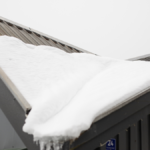
Once your roof is blanketed in snow, color stops being a factor entirely. Snow reflects 80 to 90 percent of sunlight. Whatever is underneath it is not affecting solar absorption.
Ice dams are worth clarifying here too. They do not form because the sun is hitting your roof. They form when warm air escapes from your living space into the attic, melts the underside of the snow, and that water runs down to the eaves and refreezes. Roof color plays a negligible role in that process.
If You Want to Invest in Energy Efficiency: Consider Metal Roofing
If energy performance is a meaningful part of your roofing decision, metal roofing is worth the conversation. It’s not right for every budget or every home, but it changes the numbers significantly.
What Metal Roofing Offers Minnesota Homeowners
- Energy efficiency: Most metal roofs can reduce cooling energy costs by as much as 20% because of the reflective coatings used to protect the surface.
- Durability: Metal roofing is built to withstand severe Minnesota weather, including snow, hail, and wind. With a lifespan of up to 70 years, it’s a low-maintenance investment.
- Hail resistance: Studies conducted by the Insurance Institute for Business and Home Safety (IBHS) have found that metal roofing is far less likely to be punctured by hail than conventional asphalt shingles.
- Noise: It’s a common misconception that metal roofs are loud during rain. Proper insulation keeps sound levels comparable to any other roofing type. If you’re hearing loud sounds through your metal roof, it’s usually an attic insulation issue, not a roofing issue.
The tradeoff is upfront cost. Metal roofing costs more to install than asphalt shingles. Most Minnesota homeowners will replace an asphalt shingle roof two or even three times in the span of a single metal roof installation.
Asphalt Shingles: The Practical Choice for Most Homes
Asphalt shingles remain the most common roofing choice in Minnesota, and for good reason. They offer solid protection, a wide range of colors and styles, and a price point that makes sense for most budgets. The tradeoffs are lifespan and sustainability. Asphalt shingles have the shortest service life of the three materials and contribute more waste at replacement time than metal or cedar.
Legacy installs three types of asphalt shingles:
All three are Malarkey products, installed under our Emerald Premium certification.
Cedar Shake: Natural Character with Its Own Trade-Offs
For homeowners drawn to a more natural aesthetic, cedar shake roofing brings warmth and texture that other materials don’t replicate. Cedar shakes can last over 25 years when properly maintained, are 100% biodegradable, and offer good natural insulation properties. The trade-off is maintenance. Because cedar is natural wood, it requires more attention over its lifespan to prevent moisture damage and pests. It also costs more to install and repair than asphalt.
The Honest Trade-Off: Color, Material, and Minnesota Winters
Before you make a decision based on energy savings alone, here’s something worth knowing. A well-insulated, well-ventilated attic will outperform a cool-rated shingle on a poorly insulated home every time.
Roof color is one factor. Insulation is a bigger one. The roofing material itself, and its lifespan relative to your plans for the home, may be the biggest factor of all.
Every option has a price point and a trade-off. The right roof fits your budget, works with your home’s existing systems, and holds up through everything Minnesota sends its way.
A Local Perspective You Can Trust
At Legacy Construction, we’ve been talking through these trade-offs with Twin Cities homeowners for a long time. From brilliant black to Silverwood and every shade between, we install roofing systems across the full color spectrum. We can help you decide what works best for your home and your budget.
A conversation doesn’t mean a commitment. It simply gives you a plan.
Schedule a free roof inspection or consultation with Legacy Construction today.