(952) 303-4080




If your backyard is on the smaller side, you are in good company. Many Minnesota homes have limited outdoor square footage. A simple concrete pad with two lawn chairs is often the starting point.
A well-designed backyard deck can transform your outdoor space into something intentional and surprisingly spacious. Here is something that we have learned from building custom decks across Minnesota: small spaces reward smart planning.
Start With How You Actually Use Your Outdoor Living Space
Before talking about layouts, think about function. Great deck design does not start with square footage. It starts with you.
Ask yourself a few honest questions: Do you mostly eat outside or relax? Do you grill regularly? Do you have kids or pets who need room to run around? Do you host groups or is this mostly for your household?
Thinking through traffic flow early, how people move between the house, the grill, and the seating areas, guides every decision that follows.
Layout Ideas That Work Well for Smaller Backyards
Wraparound or L-Shaped Decks
One of the most effective approaches for smaller lot sizes is building out rather than just back. An L-shaped deck that wraps along the back of the house and extends along one side creates distinct zones while keeping the footprint manageable.
A dining area along the back wall and a built-in grill station on the side can feel visually separate yet remain part of one connected outdoor living space. Adding a privacy screen along the exposed side defines the space and gives the yard a more enclosed feel, especially useful on lots with close neighbors.
Multi-Level Deck Design
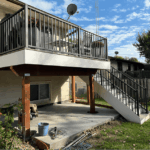
When horizontal square footage is limited, consider going vertical. Multi-level deck design with an upper platform off the house and a lower platform stepping down into the yard can significantly increase your usable outdoor space while keeping the overall footprint reasonable.
Upper levels work well for dining and a built-in grill station, closer to the kitchen and easier for traffic flow. Lower levels are great for seating areas, fire pits, or a quieter lounge space. The step down creates a natural visual separation that makes the yard feel larger.
Platform Decks and Freestanding Sections
Platform decks in a corner of the yard are worth considering alongside an attached structure. Even a modest 10×10 platform deck can serve as a dedicated fire pit space or reading nook. This approach works well when the back of the house has limited space due to a garage or existing landscaping you want to preserve.
Design Details That Make Small Decks Feel Larger
A few deck design choices make a noticeable difference in how spacious a backyard deck feels.
- Diagonal decking: running wood decking boards diagonally draws the eye outward and gives the impression of more space.
- Built-in seating and vertical gardens: perimeter built-in seating keeps the floor clear of freestanding furniture and gives the space a finished edge. Pairing built-in seating with vertical gardens or planter walls adds greenery without sacrificing floor space.
- Cable railing: cable railing panels maintain sightlines to the yard and beyond. In a smaller outdoor space, keeping the railing visually open makes the deck feel more expansive.
- Privacy screens: for yards with close neighbors or street-facing exposure, a privacy screen built into the railing or pergola structure gives the space a comfortable, enclosed feel.
- Outdoor lighting: post cap lights, recessed step lights, and landscape lighting add atmosphere and extend how long the outdoor living space is usable in the evening. Our team can also integrate outlets for heaters, TVs, or entertainment systems, handling all electrical and finishing details, so your deck is ready for hosting or quiet evening relaxation.
Built for Minnesota, Not Just for Summer
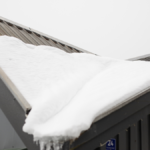
A Minnesota deck needs the strength to handle snow loads, temperature swings, and daily use across all four seasons. Every Legacy deck is built with footings designed for Minnesota’s freeze-thaw cycles, rot-resistant framing, and durable decking materials that withstand everything our climate delivers.
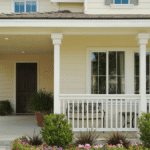
The goal is a seamless transition that blends naturally with your home exterior, complementing your existing siding and architecture, so your deck feels like it has always belonged there.
The right material depends on your budget, your aesthetic, and how much upkeep you want to take on. Here is how the main options stack up.
Composite Decks
Composite decking is our most popular option. It resists fading, staining, and warping, making it a strong fit for Minnesota homes that see all kinds of weather. It offers low maintenance, long-term performance, and a wide range of colors and textures to choose from.
Wood Decks
Wood decking offers a warm, classic look with natural beauty and comfortable character. We use premium treated lumber for homeowners who want the traditional feel of natural wood. It does require regular upkeep to stay in good shape, and for many homeowners that tradeoff is well worth it.
PVC Decks
PVC decking is a fully synthetic option with exceptional moisture resistance and virtually no annual maintenance. It holds up against rot, mold, and warping, comes in a variety of finishes, and delivers long-term durability.
A Local Perspective You Can Trust
At Legacy Construction, we are a family-owned company based in Burnsville, and we have been building custom decks and remodeling homes across the Twin Cities and South Metro for years. We live and work in the same communities we serve.
If you are thinking about a new backyard deck this season, we will take a look at your space and give you an honest picture of what is possible.
Ready to explore your options? Call Legacy Construction today to schedule a free consultation: 952-303-4080 or visit us online.