(952) 303-4080




Winter in Minnesota often looks like a postcard come to life. Snow settles across rooftops; trees stand dusted in white, and neighborhoods lean into the stillness of the season. When ice begins building along a roofline, that picture-perfect scene often points to something happening just beneath the surface.
Ice dams appear on homes across the Twin Cities each winter. Their presence follows recognizable patterns tied to how roofs handle cold, warmth, and snow. Understanding how they start and how they interact with the roof system helps homeowners respond with confidence.
How Ice Dams Take Hold
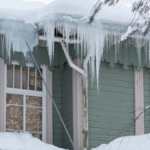
Icicles along the eaves often draw attention, though the buildup behind them tells the larger story. Ice dams begin when snow on the roof surface turns to water during milder stretches of winter weather. That water travels downward until it reaches roof areas that remain colder, where it freezes again. As this cycle continues, ice accumulates at the roof edge and creates a barrier.
As snow load builds above that barrier, additional weight begins to stress roof edges and drainage points. With drainage restricted, water presses against materials designed to guide moisture away, increasing strain on the roofing system.
Why Ice Dams Create Risk
While ice adds weight along roof edges, the greater concern is water movement. Meltwater held in place by ice can move beneath roofing materials and reach areas intended to stay dry. Attic spaces and interior finishes often feel the effects first, and prolonged exposure can lead to roof damage that extends beyond the winter season.
Early signs often appear inside the home. Subtle ceiling discoloration, surface changes, or moisture present in attic materials often reflect winter stress within the roof system. Left unaddressed, these conditions can influence comfort and even contribute to rising energy bills as heat escapes unevenly.
Conditions That Contribute to Ice Dams
Ice dams often reflect how heat loss occurs inside a home during winter. Warm air rising through living spaces reaches the upper structure and influences roof surface temperatures. Gaps created by air leaks around attic access points, ductwork, or fixtures allow warmth to collect where it should not.
Roof design, attic layout, and airflow patterns all influence how heat behaves during winter weather. Proper attic ventilation supports more consistent roof temperatures by allowing excess warmth to move out instead of lingering beneath the roof deck.
Targeted Winter Strategies
Managing ice dams begins with understanding where conditions allow them to develop. Clearing snow from critical roof areas soon after storms helps reduce the amount of meltwater reaching the eaves. Attention to drainage paths supports consistent water movement away from the roofline.
Roof edges respond best to measured care. Aggressive ice removal often transfers stress to shingles, flashing, and gutters. Focused prevention and controlled remediation protect roofing materials more effectively.
Attic Performance and Airflow
Attic spaces play a central role in winter roof behavior. When heat collects above these spaces, it influences how snow on the roof melts. Insulation depth, air sealing, and ventilation design all affect how temperatures distribute across the roof surface.
A balanced attic supports steadier roof conditions during winter weather. Evaluating insulation coverage and airflow patterns often reveals opportunities to improve overall roof performance and interior comfort.
Professional Ice Removal
When ice dams persist along the roof edge, professional steam removal offers a reliable solution. Steam melts ice gradually, allowing controlled removal without stressing roofing materials. This method clears ice from shingles and drainage areas while preserving the roof system.
Frozen drainage components benefit from this approach as well. Restored flow allows melting snow to exit the roofline instead of cycling back into ice.
Supplemental Protection Options
Some homes experience recurring ice buildups due to roof layout or exposure. In these cases, supplemental systems such as an electric heat cable can assist with directing meltwater toward drainage paths. Proper placement and installation help these systems function as intended during winter conditions.
These solutions work best when paired with attention to attic performance and roof design.
A Minnesota Perspective
Ice dams follow consistent patterns, and effective responses follow the same logic. Looking at how the roof, attic, and drainage work together during winter helps point homeowners in the right direction.
At Legacy Construction, we look at ice dam concerns through the lens of the entire home. Our team evaluates conditions, explains findings, and offers guidance that aligns with the property and the season. That approach gives homeowners steady footing when winter places pressure on every part of the roof.
If ice along your roofline has raised questions this season, a professional review of winter roof conditions can provide insight and direction. Thoughtful adjustments help your roof continue performing as intended through Minnesota winters.