(952) 303-4080




Ice dams are one of the most common roofing challenges Minnesota homeowners face during winter. Harsh weather and prolonged cold conditions increase stress on roofing systems, and ice damming can result in leaks, damaged insulation, and costly interior repairs when left unchecked.
The right prevention steps can significantly reduce the risk of ice dams. Understanding how ice dams form and addressing the underlying causes helps protect roof shingles and the home during extended freezing temperatures.
Our team inspects roofs across the Twin Cities throughout the year, giving us a clear understanding of the conditions that lead to ice dams and the steps that help prevent them. Here’s what every Minnesota homeowner should know.
What Is an Ice Dam?
An ice dam forms when snow on the roof begins to melt, flows downward, and refreezes near the roof edge. Over time, this frozen ridge blocks additional melting snow from draining properly, particularly when gutters become frozen.
As water backs up behind the ice dam, it can work its way under roof shingles and into your home. Ice dams do not need large icicles to cause damage. In many cases, the most serious issues happen before homeowners realize there is a problem.
Why Ice Dams Form in Minnesota
Ice dams are not caused by cold weather alone. They are usually the result of heat loss from inside the home that creates uneven roof temperatures.
Common contributors include:
- Heat escaping from the attic
- Poor or uneven insulation
- Inadequate attic ventilation or poorly designed roof vent placement
- Warm air leaking around vent pipes, ductwork, and attic access points
- Heavy snow accumulation followed by refreezing
When warm air leaks into the attic, it warms the roof surface and causes snow to melt from underneath, even when outdoor temperatures remain below freezing. The roof edges and frozen gutters remain colder, allowing that meltwater to refreeze and gradually form an ice dam.
Signs You May Have an Ice Dam
Ice dams are not always obvious from the ground. Common warning signs include:
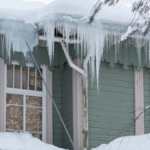
- Icicles forming along roof edges or gutters
- Water stains on ceilings or walls
- Peeling paint or bubbling drywall
- Damp insulation in the attic
- Gutters pulling away or sagging under ice weight
If you notice any of these signs, addressing the issue early helps limit moisture problems inside the home.
How to Prevent Ice Dams
Preventing ice dams starts with controlling heat and moisture inside your home. These steps focus on addressing root causes instead of relying on temporary surface fixes.
- Improve Attic Insulation. Proper insulation helps keep warm air inside your living space instead of escaping into the attic. Reducing heat loss keeps attic temperatures closer to outdoor conditions, which limits uneven snow melting on the roof.
A professional inspection can identify areas where insulation may be thin, compressed, or missing altogether.
- Ensure Proper Attic Ventilation. Ventilation works hand in hand with insulation. A well-ventilated attic allows cold air to circulate evenly through roof vents, keeping the roof surface cooler and reducing snow melt.
Balanced intake and exhaust ventilation is essential. Without it, warm air becomes trapped, increasing the risk of ice damming in winter conditions.
- Seal Air Leaks. Small gaps around attic access points, recessed lighting, bathroom fans, ductwork, and vent pipes allow warm air to escape into the attic. Sealing these air leaks is one of the most effective long-term steps in ice dam prevention and helps stabilize attic temperatures throughout the winter.
- Remove Snow Safely When Needed. After heavy snowfall, carefully removing snow from the roof edge can help reduce the risk of ice dams forming. This should always be done safely from the ground, using a snow rake designed for roof use. Climbing onto an icy roof during freezing temperatures is unsafe and should be avoided.
- Keep Gutters Clear. Blocked or debris-filled gutters can worsen ice dam issues by preventing proper drainage when snow begins to melt. Frozen gutters make it harder for water to drain away from the roof edge. Cleaning gutters before winter and ensuring downspouts remain clear helps reduce backups when conditions allow water to flow.
- Use Ice and Water Shield During Roof Replacement. For homes that need a roof replacement, ice and water shield is an important protective layer installed beneath shingles along roof edges and valleys. While it does not prevent ice dams from forming, it provides added protection if water backs up under roof shingles during ice damming events.
What Not to Do
When dealing with ice dams, avoid these common mistakes:
- Chipping roof ice with tools, which can damage shingles
- Using salt or chemicals that may corrode roofing materials
- Ignoring early signs of water intrusion
- Treating ice dams as only a cosmetic issue
Ice dams are a building-science problem, not just a surface issue. Temporary fixes rarely address the underlying cause.
When to Call a Professional
If ice dams form repeatedly or you notice signs of interior water damage, it’s time for a professional inspection. A thorough inspection can identify issues with insulation, ventilation, roof design, roof vents, or drainage that contribute to ice damming and moisture problems.
Legacy Construction’s Winter Insight
When ice dams become a concern, understanding what’s happening on your roof matters. Our team offers detailed inspections and clear, practical guidance so you can plan next steps with confidence and clarity.
We’re a local, family-owned company with deep experience in Minnesota homes and winter conditions.
Schedule a free roof inspection or consultation with Legacy Construction.