(952) 303-4080




Here’s something we discuss on nearly every roof inspection—and something most homeowners have never had clearly explained: pitch. The angle of your roof determines what roofing materials are right for it, how it handles a Minnesota winter, and why some roofing issues keep coming back while others don’t.
It’s not a complicated concept, but it changes the conversation in ways worth understanding before you’re standing in your driveway trying to make sense of two different estimates.
What Roof Pitch Means and How It’s Measured
Pitch is expressed as a ratio of vertical rise to horizontal run, measured over 12 inches. A 6/12 pitch rises 6 inches for every 12 inches of horizontal distance. A 4/12 pitch rises 4 inches. The higher the first number, the steeper the roof.
Most residential homes in Minnesota fall somewhere between 4/12 and 9/12. Below that range, you’re in low-slope territory. Above it, you’re looking at a steep-slope roof that changes how roofing contractors work, what roofing materials are appropriate, and what the job will cost.
Why Pitch Matters More in Minnesota Than Most Places
In warmer climates, roof pitch is largely a design decision. Here, it’s a performance decision. The angle of your roof determines how snow moves, how ice accumulates, and how well your home stands up to weather exposure every single winter.
A steeper pitch sheds snow more readily, reduces weight load on your framing, it allows for better attic ventilation, which can support overall energy efficiency, and lowers the risk of ice dams forming at the eaves. A flatter pitch holds snow longer, which requires the right roofing materials, proper insulation, and good ventilation systems to manage.
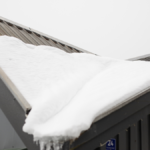
Low-pitch roofs are more susceptible to ice dam damage after storms or heavy snow events. On a steep roof, a larger ice dam typically needs to form before water can back up under asphalt shingles. On a low-slope roof, it takes much less to create the same problem.
What Minnesota Code and Safety Regulations Actually Require
The Minnesota Residential Code sets clear minimums based on pitch, and these safety regulations directly affect what roofing materials are allowed on your home.
Asphalt shingles generally require a minimum slope of 2/12. Between 2/12 and 4/12, double underlayment is required, along with an ice barrier at the eaves as an additional layer of ice protection.
Many metal shingle systems require a minimum slope around 3/12, though some standing seam systems can be installed on lower slopes with the right specifications.
Low-slope roofs (below 3/12) require membrane systems: EPDM rubber, TPO, or modified bitumen. These roofing materials are not interchangeable with shingle products regardless of what a contractor tells you.
Pitch is a gatekeeper for what’s code-compliant on your home. If a roofing contractor is quoting you a roofing material that doesn’t match your slope, that’s worth asking about directly.
The Recommended Range for Minnesota Homes
Safety regulations set the floor, but they don’t define what performs best here. For Minnesota’s climate, a pitch between 6/12 and 12/12 is generally recommended. That range allows snow to shed more naturally, supports effective attic ventilation, and reduces the conditions that produce ice dams along the eaves.
Older homes in the Twin Cities often have lower pitches that weren’t designed with modern snow loads or insulation standards in mind. That doesn’t mean a full roof replacement is immediately necessary, but it does mean the insulation, ventilation, and underlayment around it have to work harder to compensate.
How Pitch Affects Ice Dams and Ice Protection
Ice dams are among the most common and costly roofing issues in Minnesota. An ice dam forms when heat escaping from the living space warms the roof deck, melting snow that refreezes at the colder eaves. The dam grows, traps water behind it, and that water finds its way under the roofing material and into the home.
An ice barrier installed at the eaves during roofing projects adds a critical layer of ice protection, but it works best when pitch, insulation, and ventilation are all doing their part. The University of Minnesota Extension identifies the permanent solution as air sealing first, adequate insulation second, proper ventilation third. Pitch supports the system — It doesn’t replace it.
How Pitch Affects Roofing Project Costs
Pitch influences labor costs directly. Steeper roofs require safety harnesses, additional equipment, and more skilled installation. Roofing contractors move more slowly on steep slopes, and material waste increases with more cutting required around valleys, hips, and dormers. Whether you’re looking at a partial roof replacement or a full roof replacement, pitch is one of the first things an experienced roofing contractor factors into the estimate.
Understanding how pitch drives labor costs helps you read an estimate more clearly.
How Roofing Material Choice Connects to Pitch
Metal roofing sheds snow more readily than asphalt shingles at the same pitch, reducing how long snow sits on the roof and lowering the conditions that contribute to ice dams. A shingle roof holds snow longer, which requires solid thermal performance beneath the roof deck to manage effectively.
On low-slope sections, membrane systems like EPDM or TPO are the right call. These roofing materials are designed for minimal-drainage conditions and aren’t suited to steep-slope applications. Matching roofing material to pitch is essential. Getting it wrong shortens the life of the roof and creates leak pathways that are difficult to track down.
From the Team at Legacy Construction
If you’ve had recurring roofing issues, repeated leaks in the same spot, or gotten repair recommendations that didn’t quite add up, pitch is often part of the explanation. We’ve done this long enough to know that the right answer isn’t always the biggest job, and we’ll tell you that either way. Schedule a free inspection with Legacy Construction and get a clear, honest assessment of what your roof actually needs.